
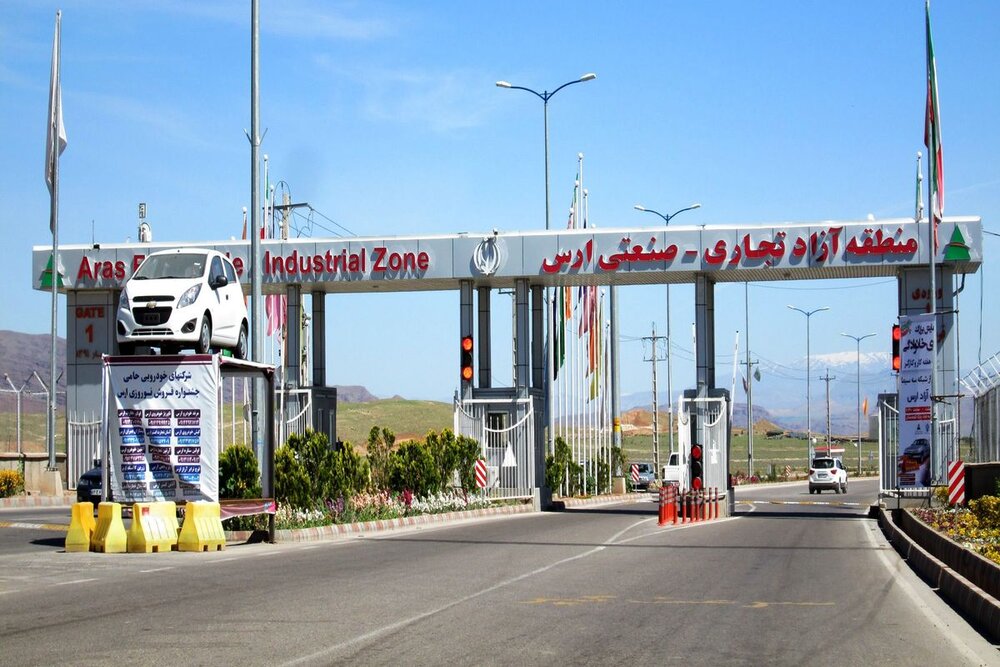
The CEO of the Aras Free Zone Organization says the sixth generation of free zones is designed to transform border areas from mere geographic lines into platforms for economic cooperation and diplomacy. Hadi Moghaddamzadeh argues that if this approach is operationalized, free zones can move beyond island-like industrial and commercial performance to become strategic drivers of the national economy—particularly valuable for economic resilience under current conditions.
However, he identifies three serious obstacles. The first is the multiplicity of decision-making bodies and a lack of coordination among agencies, which he says undermines the "single window" concept and halts many matters in administrative bureaucracy. At the Nordooz border—Iran's only land gateway to the Eurasian Union—and at Bazargan, cargo movement remains slow because each agency follows its own approach. "The border is not a place for standing still," Moghaddamzadeh said, noting that repeated visits and written directives have failed to produce integrated management.
The second problem is the weakening of free zones' fundamental laws and incentives. He points to arbitrary interpretations eroding the 20-year tax exemption and performance tax relief. Despite Aras meeting all three legal conditions—being enclosed, having a positive trade balance, and being distant from population centers—the Tax Affairs Organization does not accept this, he said.
The third challenge is a lack of shared belief within the executive and governance structure about free zones' role, with "serious resistance" observed. He noted Aras is absent from joint commissions with Armenia and Azerbaijan despite its geopolitical position.
On a positive note, Moghaddamzadeh stressed that Aras did not halt production even for a day during wartime conditions and now supplies essential goods and raw materials for the northwest. No industrial unit has been shut down, he said.