
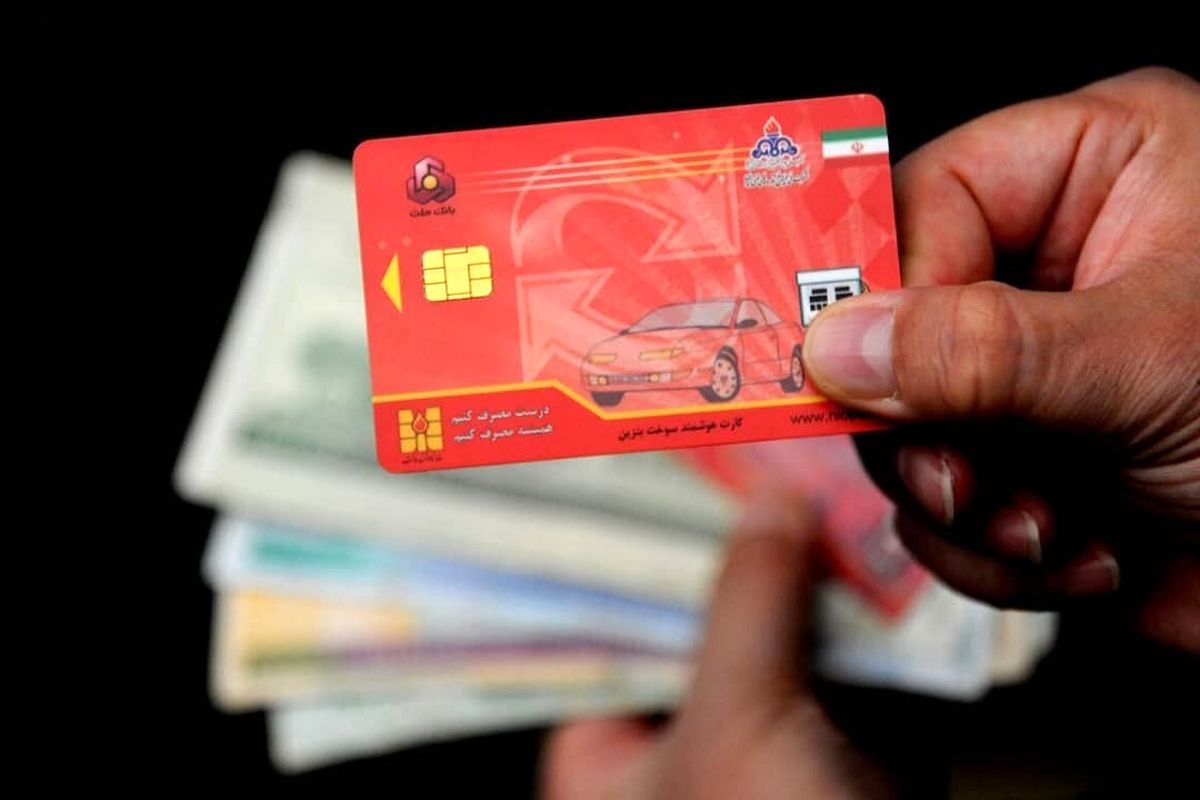
As Iran prepares to implement a revised gasoline pricing system, demand for fuel cards has surged to nearly four times normal levels, intermittently disrupting the relevant online systems.
The spike comes just days before the government’s long-awaited fuel policy which will take effect on Saturday, introducing a third and higher gasoline price at gas stations.
Under the new scheme, gasoline will be sold at three price levels, with the highest—5,000 tomans (4 cents) per liter—applied to purchases made using gas station fuel cards.
Anticipating higher costs, thousands of vehicle owners who previously lacked active fuel cards have rushed to apply for new ones, overwhelming both the dedicated online platform and police service offices known as “Police +10.”
Despite the pressure, Oil Minister Mohsen Paknejad sought to calm public concerns, stating that fuel card issuance continues “as usual” and that there are no constraints or shortages in the process.
According to the Oil Ministry, both new and replacement fuel cards are being issued under unchanged procedures, even as application volumes rise sharply. The National Iranian Oil Products Distribution Company (NIOPDC) confirmed that traffic on its registration platform has quadrupled compared with ordinary days.
The surge reflects the growing importance of personal fuel cards under the new pricing structure, as gas station-issued cards will now be tied to the highest gasoline price.
Meanwhile, NIOPDC Managing Director Mohammad-Sadegh Azimifar said the company is fully prepared for the rollout. A new online system has been launched to identify vehicles eligible for fuel quotas, particularly for owners of multiple private cars. Failure to register within the one-month deadline will result in quota allocation to the most frequently used vehicle, while other cards will be deactivated. The government has also clarified arrangements for ride-hailing drivers.
In cooperation with the Interior Ministry, the Plan and Budget Organization, and platforms such as Snapp and Tapsi, a mileage-based credit quota system has been finalized.
The measure aims to prevent higher fuel prices from translating into increased passenger fares, with platforms committing to keep prices unchanged.
Beyond pricing, officials emphasized longer-term demand management policies. These include free conversion of gasoline-powered vehicles to compressed natural gas (CNG), expansion of alternative fuels such as LPG, refinery optimization and the launch of new refineries within the next year—all intended to curb gasoline imports ($4 billion per year) and redress Iran’s fuel imbalance.